



“Realizing the Hopes and Aspirations of Young People: Building People, Building Malaysia’s Future“

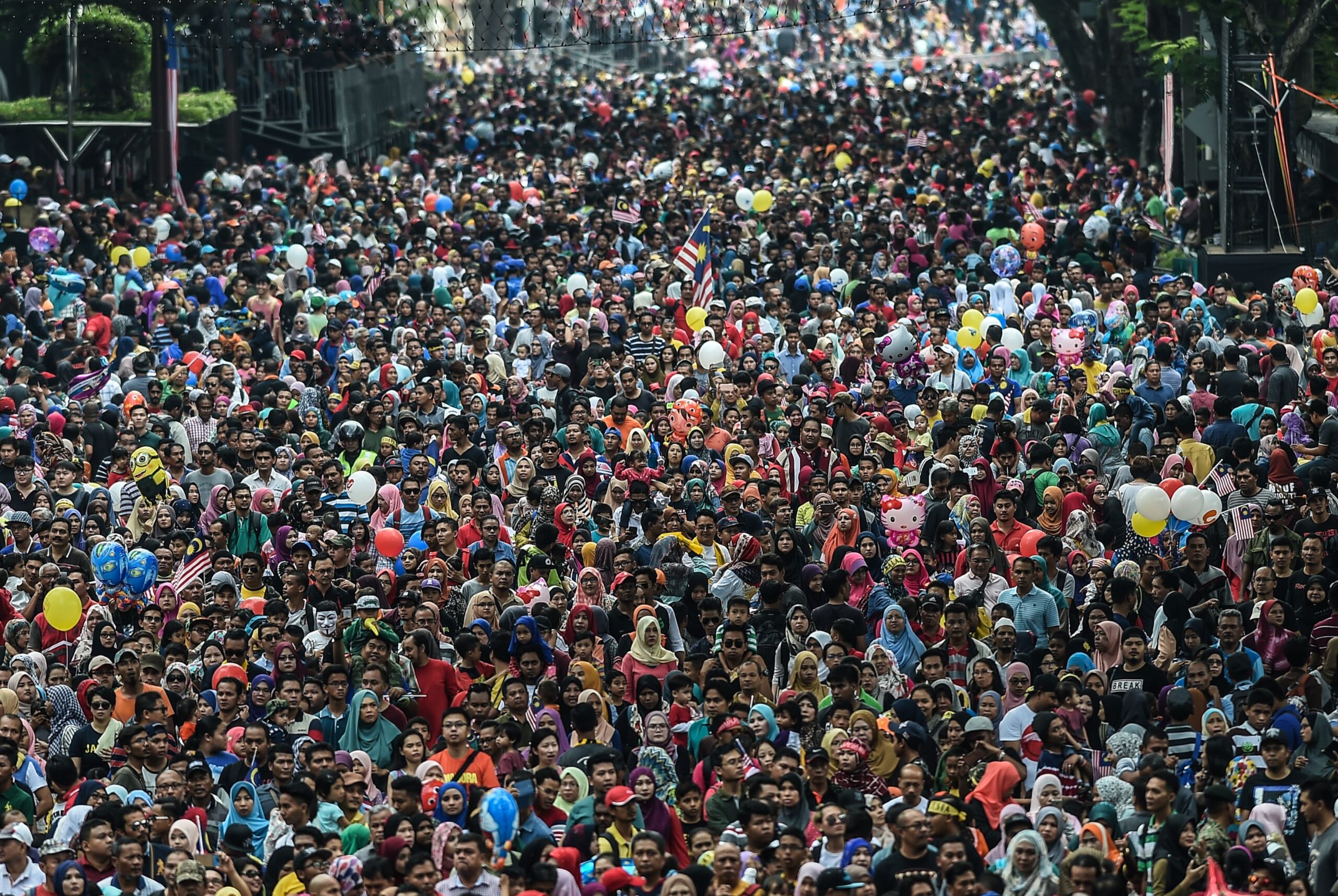
Whenever we speak about population, our attention is often drawn to numbers, birth rates, age structures and demographic projections. Yet the future of a nation has never been determined solely by the size of its population. History has shown that great civilizations were not built simply because they had the largest populations, but because they succeeded in nurturing people who were knowledgeable, ethical, innovative, resilient, and filled with hope and confidence for the future.
It is in this context that the theme of World Population Day 2026, “Realizing the Hopes and Aspirations of Young People: Today and for the Future,” should be understood as far more than a discussion about population. It is a global call to ensure that every young person is given the opportunities, space and confidence to build a meaningful life. According to the United Nations Population Fund (UNFPA), the world today is home to approximately 1.9 billion young people aged between 10 and 24, the largest youth generation in human history. The real question is no longer how many young people there are, but how seriously the world is investing in realizing their hopes and aspirations.
Malaysia is no exception to these demographic changes. The country continues to enjoy what is commonly referred to as a demographic dividend, with a significant proportion of its population being of productive working age. However, a demographic dividend is by no means a guarantee of national progress. Many countries possess large youth populations yet fail to translate this advantage into prosperity because they have not succeeded in developing high quality human capital. Conversely, there are countries with relatively smaller populations that have emerged as global leaders through sustained investments in education, innovation, integrity and human development.
For the Malaysian Islamic Youth Movement (ABIM), this is the most fundamental issue. Malaysia does not lack young people. The nation’s greatest challenge today is not to increase its population, but to maximize the potential of every individual. Malaysia needs more young people who possess knowledge to think critically, values to lead responsibly, opportunities to contribute meaningfully and hope to shape the future. Ultimately, demography is not merely a question of population size, but a question of the quality of its people.
The implementation of Malaysia’s new youth age definition in 2026, which classifies youth as those between the ages of 15 and 30, represents an important step in focusing national youth development. At the same time, its implementation must be accompanied by policies that strengthen the transition into employment, family formation, career development and community leadership so that those undergoing this transitional phase are not left behind. Human development must remain a continuous lifelong process rather than being confined to a particular age category.
Despite the nation’s many achievements, today’s young generation faces increasingly complex realities. They confront mismatches between educational qualifications and employment opportunities, rising living costs, housing affordability challenges, economic uncertainty, rapid transformations in the workplace driven by automation and artificial intelligence, as well as growing anxiety about the future. The Demographic Futures Survey, published in conjunction with this year’s World Population Day, similarly found that economic uncertainty, the rising cost of living and the ability to build a family rank among the greatest concerns of young people worldwide.
At the same time, we are witnessing the rise of social challenges that increasingly hinder youth development. Cyberbullying, online hate culture, digital fraud, addiction to social media and online gaming, technology misuse and worsening mental health concerns have become pressing issues. The growing phenomenon of shallow digital consumption, often described as brain rot content, is also influencing how young people think, read, communicate and sustain meaningful engagement with knowledge and real life experiences.

Even more worrying is the increasingly blurred boundary between the digital world and reality. Many young people are growing up in an environment dominated by algorithms, instant content and virtual interactions, resulting in the gradual erosion of empathy, patience, attention span and genuine human relationships. Human suffering is too easily reduced to content that is endlessly scrolled through on a screen, while insults and hostility are increasingly normalised as entertainment. If left unaddressed, we will not only face a social crisis, but a deeper crisis of humanity.
In ABIM’s view, however, all these challenges ultimately converge into one central issue: a crisis of hope. Many young people still have dreams, yet an increasing number have begun to question whether those dreams are truly attainable. They study diligently but fear that meaningful employment may not follow. They aspire to build families but are overshadowed by rising living costs. They enjoy access to technologies never experienced by previous generations, yet are simultaneously exposed to digital cultures that can erode self confidence, identity and fundamental human values.
A nation can only truly progress when its young people believe that tomorrow can be better than today. Hope is not merely an emotion. It is a form of social capital that inspires people to learn, work, innovate, build families and contribute to society. When hope begins to fade, a nation gradually loses one of its most valuable assets for building its future.
The revolution in artificial intelligence is transforming almost every aspect of human life. The defining question of this century is no longer whether AI will replace human beings, but whether human beings will retain the wisdom to lead AI. Technology will continue to evolve, but values such as ethics, trustworthiness, compassion, integrity and wisdom will never become obsolete. AI literacy must therefore develop alongside digital literacy, civic literacy and moral formation. Technological advancement without human development will only produce a society that is faster, but not necessarily wiser.
Restoring hope to the younger generation requires a national commitment involving government, educational institutions, families, civil society, religious institutions, the private sector, the media, technology companies and local communities. No single institution can shoulder this responsibility alone.
In this regard, ABIM believes that at least five national priorities deserve urgent attention.
First, strengthening the family institution as the foundation of human development through greater support for family well being, parenting, early childhood education and work life balance.
Second, reforming the education system to genuinely produce individuals who think critically, possess strong ethical values, are innovative, empathetic and capable of leading change. Education should not merely produce workers, but responsible citizens and builders of civilization.
Third, expanding access to quality employment, social mobility, social protection and affordable housing so that young people have the confidence to build stable lives and families.
Fourth, creating a safer digital ecosystem through stronger digital literacy, AI literacy, cybersecurity, the protection of children and adolescents, and greater accountability among digital platforms for harmful content.
Fifth, expanding youth participation in policymaking, community leadership and national development. Young people should not merely be regarded as beneficiaries of development, but as strategic partners in shaping Malaysia’s future.
Within this broader framework, Malaysia must move beyond simply enjoying a demographic dividend towards building a civilizational dividend. A demographic dividend becomes a civilizational dividend only when population strength is transformed into intellectual excellence, moral integrity, innovation, leadership and social responsibility. Conversely, if human development is neglected, the demographic dividend may instead become a source of social pressure, economic inequality and declining confidence in the future.
Since its establishment, ABIM has consistently believed that national development must begin with human development. The economy creates prosperity. Technology accelerates progress. Yet only the development of human character and values can build a resilient civilization. In an increasingly complex world shaped by artificial intelligence, people who embody ethics, integrity, compassion, trustworthiness and wisdom will remain the defining difference between meaningful progress and hollow advancement.
On the occasion of World Population Day 2026, ABIM calls upon all Malaysians to recognise every young person as a national trust and a civilizational asset. They are not merely the future workforce, but the future teachers, doctors, scientists, engineers, entrepreneurs, scholars, educators, community leaders and builders of civilization.
To the younger generation, do not allow algorithms to define your aspirations or social media to shape your values. Pursue knowledge, embrace technology wisely, develop your skills, preserve your moral character and have the courage to contribute to society. The future is not something that simply awaits us. It is something we build every day through knowledge, effort, courage and the choices we make.
Ultimately, Malaysia’s greatest challenge is not whether we have a large or small population. The real challenge is whether we can cultivate individuals who are capable of leading a world that is increasingly complex, technology driven and filled with uncertainty. Demography determines the size of a nation, but human development determines the stature of its civilization. When every young person is equipped with knowledge to think, values to lead, opportunities to contribute and hope to build the future, the demographic dividend is transformed into a civilizational dividend. In the end, history will not remember Malaysia for the size of its population, but for the quality of the people it has nurtured. That is the foundation of a peaceful, just, competitive and dignified Malaysia, a nation capable of building a civilization that benefits both present and future generations.
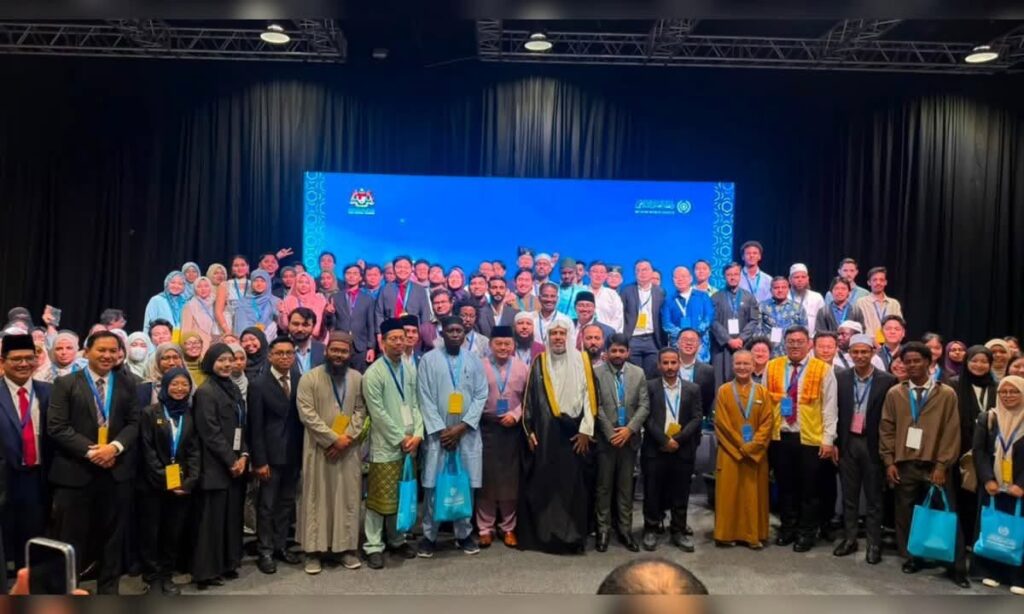
Ahmad Fahmi Mohd Samsudin
President
Malaysian Islamic Youth Movement (ABIM)
